
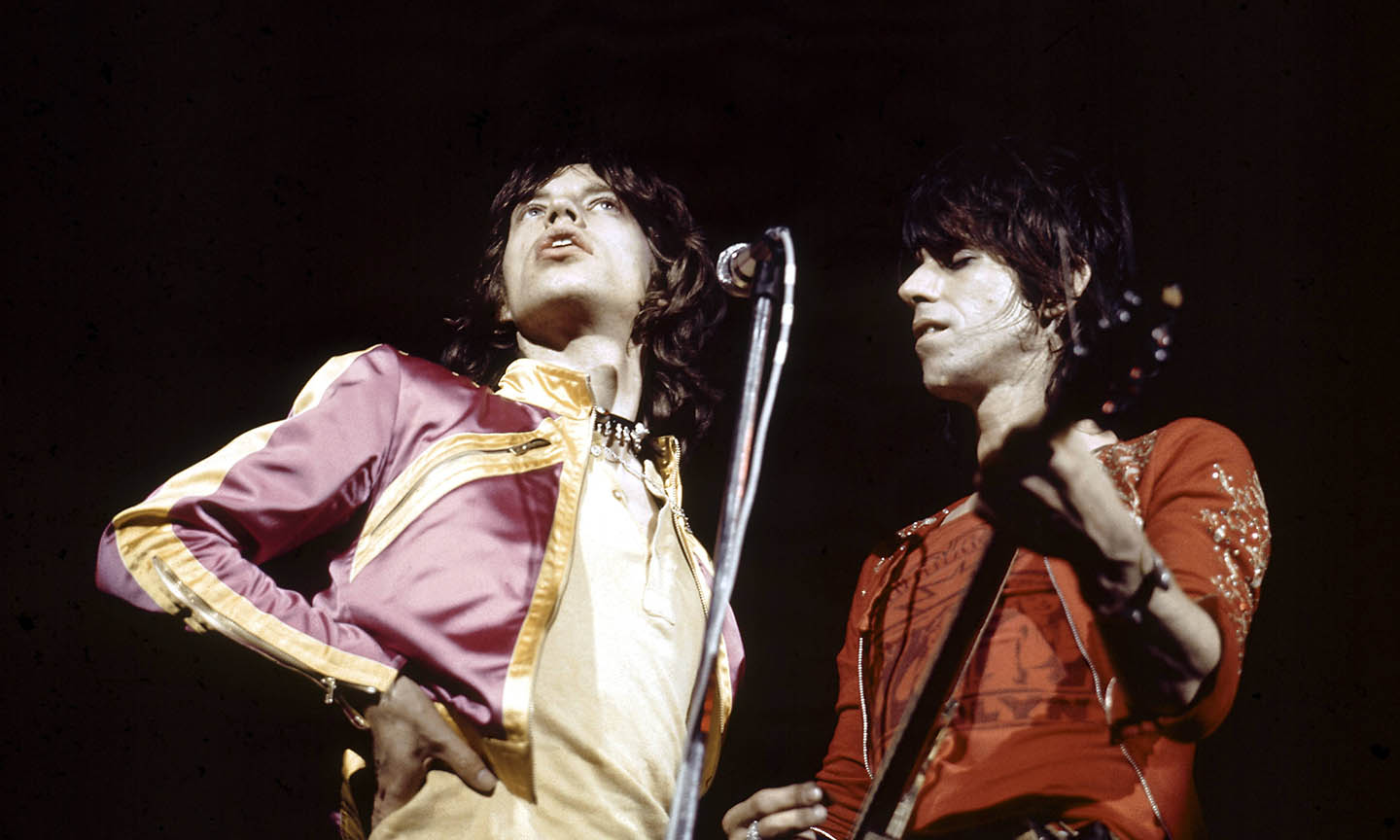
While 1970 marked the dawn of a new decade, the socio-political upheaval of the late 60s was still very much at the forefront of artists’ minds. Plenty of musicians used their voices for change, with John Lennon, Curtis Mayfield, and Stevie Wonder, among others, calling for peace and equality.
1970 was the end of an era, as the Beatles disbanded. But it was also the beginning of four spectacular solo careers. It was a time of experimentation, as artists like Kraftwerk, Alice Coltrane, Pink Floyd, and Frank Zappa pushed the limits of their genre, and rising singer-songwriters and folk acts offered much-needed moments of reflection. Live albums, meanwhile, brought some of the era’s biggest artists into homes around the world.
Browse our classic rock collection featuring limited edition vinyl and CDs here.
Below, we explore the best albums that 1970 had to offer – from the solo triumphs of George Harrison, Paul McCartney, John Lennon, and Ringo Starr to pioneering albums from Black Sabbath, Tangerine Dream, and Crosby, Stills, Nash & Young.
Explore the best songs of the 70s.
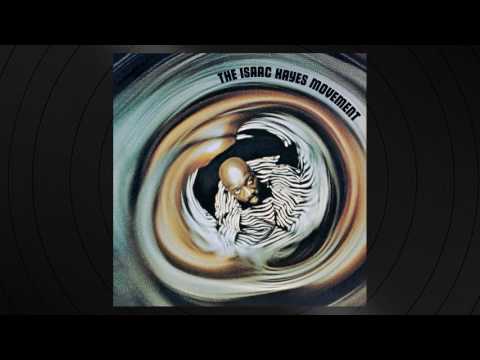
Haye’s inimitable skill as an arranger is on full display on this album which takes compositions from the likes of George Harrison and Burt Bacharach and spins them into soulful masterpieces.
The electronic music pioneer’s 1970 album is a far cry from his other job making music for children, but if you can move past that, you’re in for a thrilling contemplation on the battle between good and evil that takes cues from acid rock and psychedelic music.
Despite his growing success, Charley Pride’s brand of country music never lost sight of its humble roots and celebrated them with charisma and superb melodies.
The country singer’s compilation album showcases the best of his genre-blending sound which takes inspiration from R&B, rock, and pop.
For anyone interested in free improvisation in jazz, this album is a must-listen. Parker’s first record as a bandleader and the first off his label, Incus, set the tone for the experimental genre.
The electronic artist’s Moog synthesizer-centered album offers a funky and light-hearted take on the groundbreaking instrument – it’s a perfect mix of pop and experimental music.
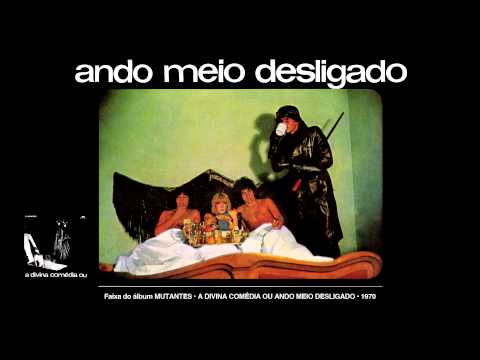
The singular Brazilian band’s third studio album shows why they are so much better than the genres they are influenced by as they turn psychedelic rock, folk, and doo-wop on their respective heads.
The hard rock band’s debut album includes hits like ”Mississippi Queen” and “Never in My Life,” and is an excellent snapshot of the blues and psych rock-inflected sound of the time.
The country singer’s tribute album to the King of Western Swing is a touching and rollicking good time that reignited interest in the niche sound.
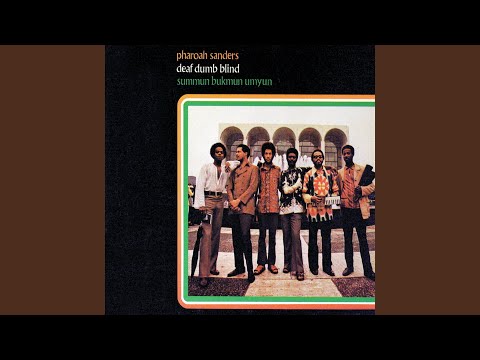
The jazz titan’s energetic album is a percussive and melodic treat that takes inspiration from African music, Latin music, R&B, and spiritual jazz.
The former Beatle’s solo debut draws inspiration from the songs he would hear in the house as a child and offers a heartfelt meditation on family, home and childhood.
With an all-star cast that included the likes of George Benson, Lonnie Liston Smith, and Ron Carter, the jazz saxophonist’s 1970 album is soulful, funky, and full of life.
Home to hits like “He Loves Me All the Way” and “I’ll See Him Through,” the country queen’s seventh studio album strikes the perfect balance between stripped-back ballads and glossy country-pop.
The avant-garde champion’s debut album is made up of sprawling improvisational pieces that would go on to influence a slew of courageous artists.
The pioneering electronic group’s debut album pulls from Edgar Froese’s tape experiments and musique concrète to create a soundscape unlike anything else of its time.
The legendary group’s debut album is quite different from the futuristic sound they would become known for, nevertheless, it’s an excellent mix of electronic music, psych rock, and noise.
Looking for a sound that would work easily on stage, the English group abandoned their psychedelic roots for a streamlined sound, and successfully made the transition from studio wizards to hard rock champions.
Ever adventurous, Frank Zappa’s 1970 album with the Mothers offers his zany takes on everything from 50’s pop to classical music, blurring the lines between genres and throwing convention out the window.
Perhaps his most ambitious album ever, Sinatra’s 1970 concept album relays the pain and confusion of lost love from the perspective of the person who has been left.
Known for heavy blues-rock, the English band took a turn towards folk music for this record, showing that even with the intensity turned down, they could still produce incredible music.
The rock group’s second album includes highlights like “The Devil’s Triangle” and “Cadence and Cascade” and features prominent use of the Mellotron.
Recorded in Los Angeles, the Brazilian artist’s 1970 album blends together Brazilian pop with jazz, funk, and rock music for a thrilling listening experience.
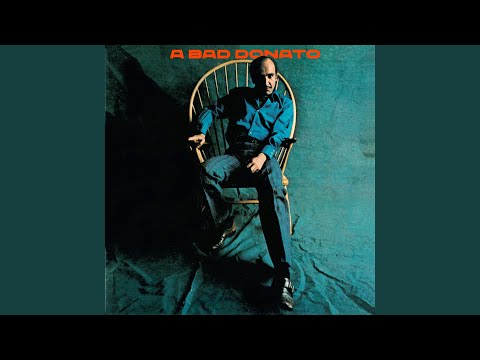
Though its title translates to “Brute Force,” the Brazilian artist’s 1970 album is more of a subtle force that brings out the softer sides of samba.
Drake’s sophomore album lets the light shine in via the instrumentation and a softer vocal performance, cushioning the sad truths his lyrics often tend towards.
The English rock band threw out all convention on this album, leaning into the weird, wonderful corners of psychedelia and luxuriating in extended jams like its 23-minute opener.
Including fan favorites like “Have You Seen My Baby?” and “Mama Told Me Not to Come,” Newman’s 1970 album is full of sharp satire and brilliant compositions.
Though there are hints of his socially conscious bent, Stevie’s Motown album delivers on everything that made the iconic label so good: irresistibly catchy and soulful pop music.
Barrett’s first solo album after leaving Pink Floyd leans into his reputation as mentally unstable, flipping the expectations of listeners and revealing a singer-songwriter still very much on top of his game.
Maia’s self-titled debut was a smash hit in Brazil and includes favorites like “Azul da Cor do Mar” “Coroné Antônio Bento” and “Primavera.”
The legendary Jamaican DJ’s 1970 album features him toasting over classic rocksteady tunes, laying the groundwork for the MC in hip-hop music.
Including the monumental “Child In Time,” the band’s 1970 album introduced their best lineup yet and solidified their distinctly grand take on heavy metal.
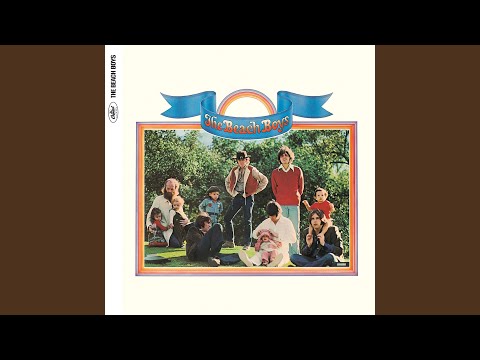
The prolific band looked back to the gentle melodies and sweeping arrangements of their earlier work for this album and it is one of their most collaborative efforts to date.
Home to the fan-favorite “Roadhouse Blues,” the rock band’s 1970 album saw them returning to the R&B and blues sound of their earlier days and is one of their most popular albums to date.
Featuring the title hit, the Canadian rock band’s 1970 album is their most successful to date and shows off the band’s range as they tackle hard rock, prog, ballads, and more.
Including all-time favorites like the title track and “ “La-La (Means I Love You)” and “The Love You Save,” the renowned family band’s second album made them household names.
The rock band’s third studio album extended the boundaries of the genre to include electronic music and jazz, making it one of the most exciting records of the decade.
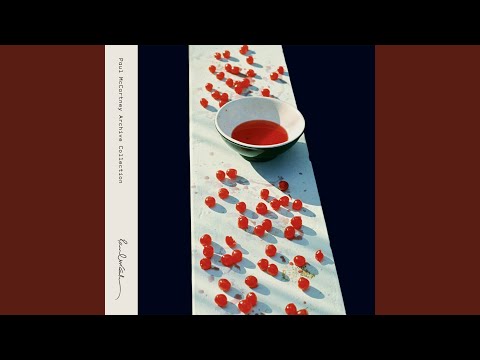
McCartney’s solo debut was a controversial release in that it coincided (and maybe caused) the break-up of the Beatles. Drama aside, it’s a wonderful collection of sketches and home recordings that pointed towards a very successful solo career.
Booker T’s homage to the Beatles’ Abbey Road, offers a distinctly Memphis, Tennessee spin on the Beatles, taking their melodies to unexpectedly funky and exciting places.
The former teenage pop star took a left turn for his 1970 album, opting for restraint and introspection. The result is a refreshingly human portrait of young man trying to find his way in the world.
Hendrix’s first live album without the Experience band is one of his greatest performances on tape and includes the mind-boggling “Machine Gun,” where Hendrix produces unheard of sounds on his guitar.
The group’s first album with Neil Young was highly anticipated and surpassed all expectations with its unforgettable melodies and stunning guitar work.
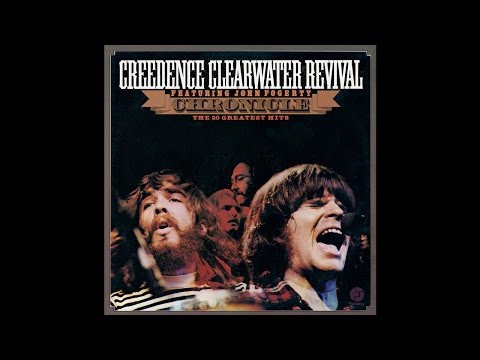
The swamp rock classic includes the hits “Lookin’ Out My Back Door” and “Run Through the Jungle,” not to mention a number of excellent covers like their 11-minute version of “I Heard It Through The Grapevine.”
The saxophonist’s live album is an expansive journey through the annals of free jazz and established him at the forefront of the genre.
Ray Davies’ polemic against the music industry is as technically brilliant as it is passionate, never losing itself in anger or over-production.
The Northern Irish singer’s masterful album is full of understated beauty and would be his commercial breakthrough.
Taking a step back from experimentation, the Bay Area band went back to basics on their 1970 album, exploring stripped-down roots music, Americana, and folk.
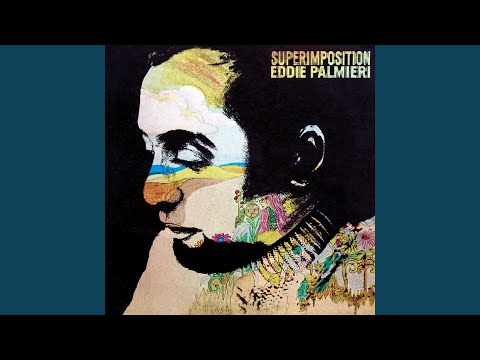
The pianist and bandleader’s 12th studio album took Latin dance music to new experimental heights, playing with counterpoint and harmonics to create music you can both think and move to.
The versatile singer’s 1970 album took inspiration from Americana music and the country-rock style of the Band and finally brought the songwriting duo of Elton John and Bernie Taupin statewide success.
The jazz trumpeter’s 1970 album takes the edge of hard bop, the groove of fusion, and the soul of jazz to create a masterpiece of uncategorizable, incredible sound.
Home to the instant classic, “Fire and Rain,” Taylor’s second studio album has all the traits that make him such a beloved artist: understated vocals, frank reflections, and the soul of a folk hero.
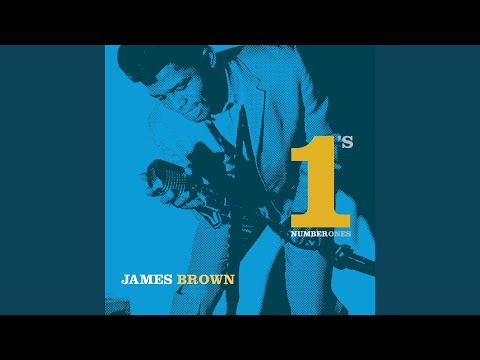
With a show-stopping lineup that included Bootsy Collins, Clyde Stubblefield, and Maceo Parker, Brown’s live album confirms that he remains one of the greatest performers of all time.
Young took a turn towards country-rock on this album, surprising some fans of his earlier work, but it paid off extremely well and includes some of the most enduring songs of his career like “Southern Man.”
The Latin rock icon’s first album to top the US charts is a perfect blend of rock, jazz, and Latin dance music that cleverly values experimentation over genre purity.
The dynamic duo’s final album together is home to the beloved title track and was such a success that it spent years on the charts.
The spiritual jazz titan’s album takes conceptual inspiration from Hinduism and sonic inspiration from modal and experimental jazz and is a landmark record in each genre niche.
The enigmatic group has a reputation of not being able to transmit the transcendent energy of their live shows onto records. This album is a rare exception and is widely regarded as their best studio album.
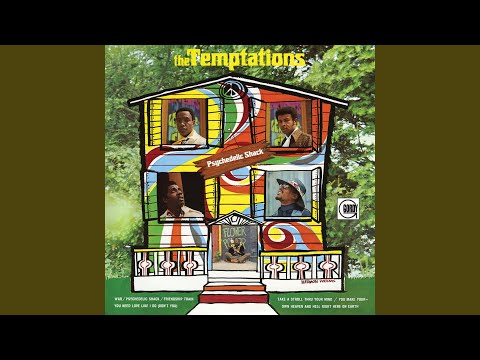
The soul music superstars surprised their fans when they delivered a funky psych-rock album in 1970 – turns out it was a risk worth taking and it shows off the immense versatility of the Motown legacy act.
Lou Reed and company took a turn towards the commercial for their fourth studio album, intentionally making pop-oriented music. However, rather than alienating their anti-mainstream fans, their 1970 album is widely regarded to be one of their best.
The iconic rock band’s 1970 album has songs that keep on giving all these years later, like the famous title track, and also marked the end of an era, for it would be their last release as a group.
The Philadelphia soul titans struck gold with their fourth studio album off the back of five hit singles including “Didn’t I (Blow Your Mind This Time)” and “Over & Over.”
Full of tension and release, the heavy metal band’s second album set the tone for the genre and established the group as leading lights.
Home to the radio staple “Big Yellow Taxi,” Mitchell expanded her sonic palette on this album bringing in jazz elements and more expressive vocals that she would explore further on later albums.
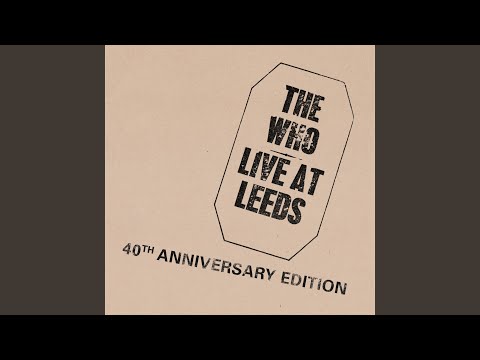
The storied British band’s first live album has taken on larger-than-life status in the decades since its release. Full of energy, showmanship, and an intangible magic, it’s one of the greatest live albums ever.
Home to fan-favorite “Layla,” Eric Clapton’s side project produced what is widely regarded as his best album, an intensely personal and passionate contemplation on the highs and lows of love.
The iconic band’s debut album created a new language for music, freeing R&B and soul from the constraints of respectability and establishing funk as the premiere sound to get down to.
The influential singer’s solo debut is a rich tapestry of soul music that weaves together influences as broad as orchestral music and rock into a cohesive, socially conscious whole.
The rock great’s first solo record after the dissolution of the Beatles includes the beautiful, “My Sweet Lord” and paved the way for a very successful solo career.
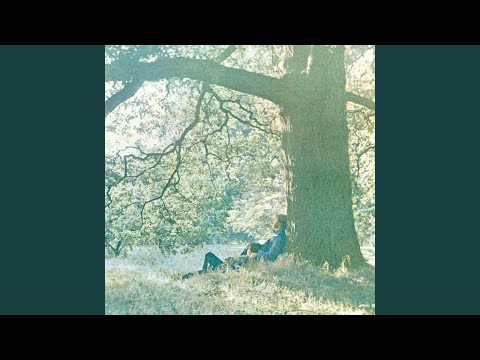
Lennon’s first solo album after the Beatles changed the nature of pop music by leaning into honesty and deeply uncomfortable truths, proving that even at our lowest, our voices still deserve to be heard.
Even if you haven’t listened to any Miles Davis, you’ve probably heard of this album, and for good reason. It changed the course of not just jazz, but funk and rock music as well and is just as futuristic-sounding today as it was in 1970.
The band traded in precision for power while recording their sophomore album, the result is a career-defining record that wonderfully captures the uncontainable magic of Iggy Pop.
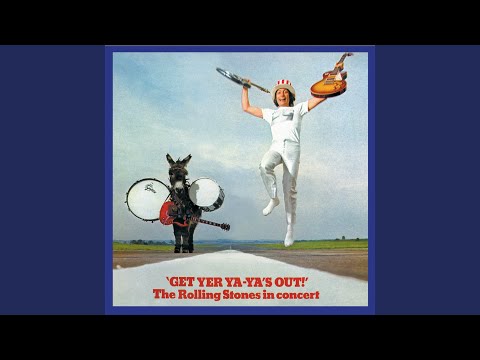
The band’s famed live album helped establish their place as one of the greatest rock and roll bands in the world and while it may not be as polished as their studio recordings, its unbridled energy is unmatched.
Shop our classic rock collection featuring limited edition vinyl and CDs here.