
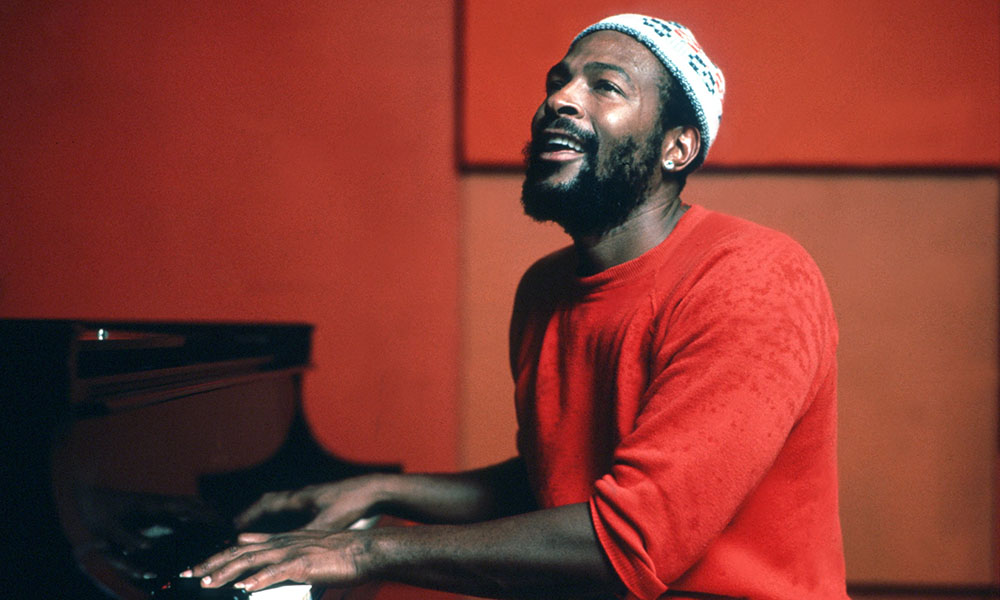
The best 70s songs? It’s an impossible task, surely. There was simply too much going on throughout the world to accurately reflect the best music of the 70s. That said, we’ve done our best in this introduction to the decade.
We’ve chosen to separate things into a variety of loose genre categories and to limit things to one song per artist, just so we could include as many different folks as possible. As you’ll see below, there was an enormous amount of great music being produced, so take this list as a starting point for future exploration. The best songs of the 70s do the same, pointing the way to music and art that demands your attention.
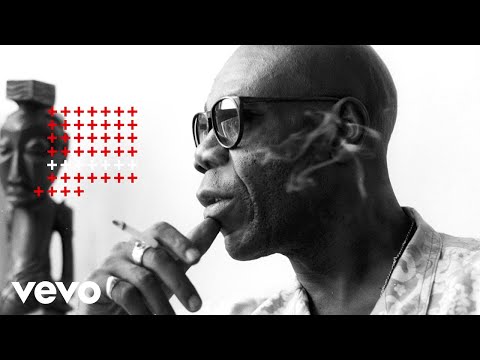
It’s kind of hard to believe, but rock was nearly two decades old by the time the 70s rolled around, which meant that things had come a long way from “Rocket 88.” The elements that made it great, however, remained much the same: Electric guitars and a love of the blues underpinned so much of what Eric Clapton, Janis Joplin, The Rolling Stones, and many others had to say. As the decade progressed, however, rock ‘n’ roll began to see more and more influences seep in. Queen’s “Bohemian Rhapsody” and Electric Light Orchestra’s “Mr. Blue Sky” borrowed liberally from classical and opera. But while the leading lights of rock music’s early 70s contingent would continue to expand their horizons, things usually came back to a core type: Great songs about the fragility of human relationships. Whether it’s Lindsey Buckingham’s “Go Your Own Way” from Fleetwood Mac’s Rumours or Bruce Springsteen’s “Born to Run,” the 70s saw some of the best rock songs of the genre’s history.
Shop the best 70s tunes on vinyl and CD now.
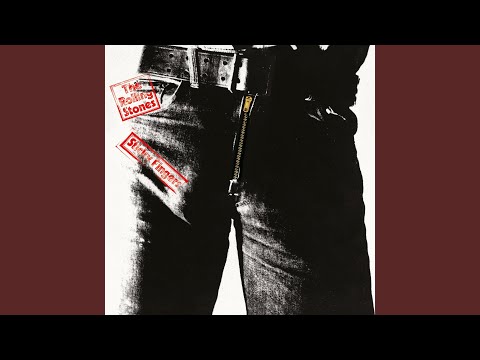
There had already been incredibly popular music coming from Africa for decades, but the 70s saw a few singular artists emerge that would have an enormous impact. Fela Kuti pioneered Afrobeat with legendary drummer Tony Allen, while Mulatu Astatke mixed jazz, Latin music, and his native Ethiopian sounds into a complete unique concoction. Perhaps the most far-reaching song of all, however, was Manu Dibango’s “Soul Makossa,” which has since been interpolated by Michael Jackson and Rihanna in various forms.
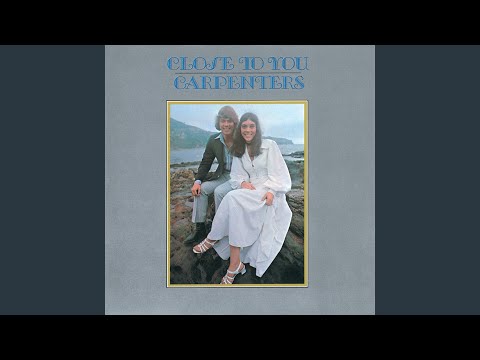
People often mistake softness for weakness. Listen to “Big Yellow Taxi” or “Deacon Blues,” however, and you’ll understand that plenty of the best 70s AOR music has a bite to it. The songs below often showcase the complexity of love, whether it be the banquet of Patti Smith’s “Because the Night” or the attention-seeking Pretenders. But perhaps the most famous song of all was an ode to rock ‘n’ roll heroes, Don McLean’s “American Pie.”
Check out our playlist of the best 70s music on Spotify.
It’s hard to imagine a more vital genre in the 70s than funk. Songs from Black artists all over the United States were busy soundtracking dance floors the world over. The intent was often simply to make folks move: “Haven’t You Heard,” “Boogie Oogie Oogie,” and just about everything James Brown put to wax, for instance. But just as much music was intent on saying something about the world we lived in. “The Revolution Will Not Be Televised.” “War.” “For the Love of Money.” The best funk songs of the 70s often did both. And, as the decade rolled to a conclusion, there was one song that signaled the beginning of something new that would slowly conquer the world: “Rapper’s Delight.”
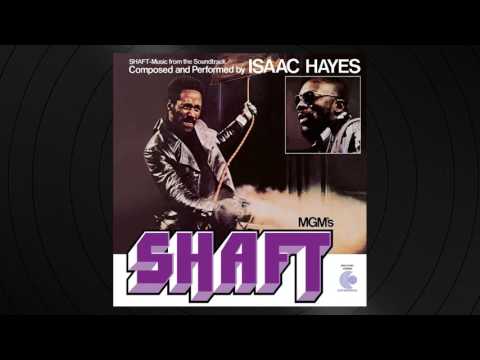
Punk, in the popular imagination, swept away everything bloated and old before it. It’s not quite as simple as that, but it likely felt that way during the last few years of the 70s. How else to explain the vital energy that produced “God Save the Queen” and “Blitzkrieg Bop”? What’s often lost in all of that talk about punk is the musicianship of some of its earliest stars. You’d be hard-pressed to find guitar playing more beautiful than Television’s “Marquee Moon” or more ferocious than The Stooges’ “Search and Destroy.”
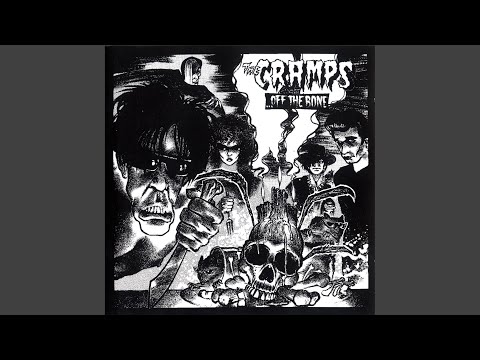
The seismic impact of the Tropicália movement hung over Brazil’s musical output in the 70s. Artists were either continuing to build on its revolutionary fervor or trying to build something different in its wake. Tropicália artists like Gal Costa and Caetano Veloso released some of their best songs in the 70s. Tim Maia and Erasmo Carlos, meanwhile, had been making music for many years by the time the 70s rolled around, but truly started to hit their stride.
The best New Wave and power pop artists in the 70s wrote songs that simply didn’t quite fit into the established narratives of the decade. Many of these artists embraced technology in unconventional ways. (Gary Numan, 10cc, and Blondie were all at the cutting–edge in terms of sound.) But just as many were simply exceptional at the craft of writing songs, Elvis Costello, Big Star, and The Cure among them.
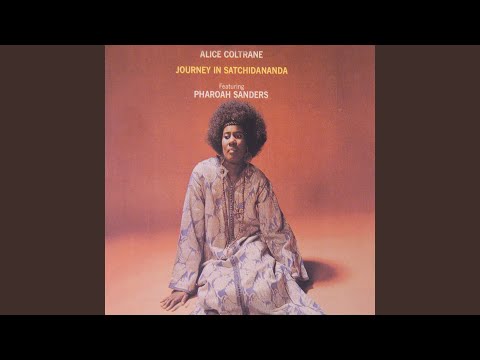
Jazz was a many splendored thing throughout the 70s. The best songs, however, found artists stretching at the confines of the genre, pressing forward into uncharted territory. Alice Coltrane, Miles Davis, and Don Cherry all pushed things in strange, exciting new directions. Some jazz got cosmic, other folks used music as a vehicle for protest. One of the major genres to emerge was the sometimes–abstract sounds of jazz fusion. But just as many artists embraced pop music, like George Benson and Donald Byrd. And then there was the best–selling piano recording of all–time, a solo concert by Keith Jarrett. In short, there was something for just about everyone when it comes to jazz in the 70s.
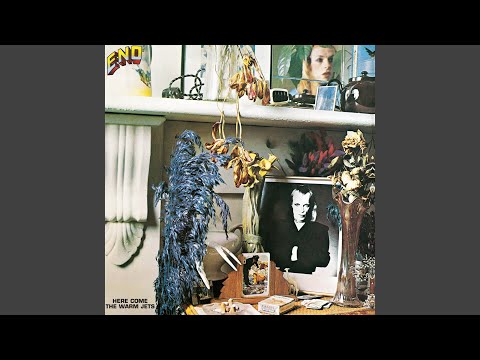
Where do you go when you feel like everything has been destroyed? Even further out, seemingly, in the case of post-punk artists like Suicide, Throbbing Gristle, and The Slits. The best post-punk songs of the 70s threw away all the rules and emerged with some of the most vital music of the decade. Perhaps just as important, it was some of the most inspiring music of the decade. More than a few folks that listened to Delta 5’s “Mind Your Own Business” went out and formed their own band.
The influence of Jamaica on popular music is hard to overstate. The 70s is the decade that some of the best songs from the island had a massive international impact, like Jimmy Cliff’s The Harder They Come and Bob Marley’s “Three Little Birds.” On the island itself, Lee Perry was pioneering dub techniques, helping to bring together The Congos’ masterful “Fisherman.”
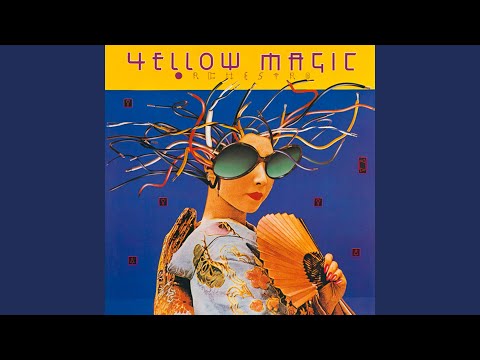
Music from Japan in the 1970s proved just how far and wide rock music from America and the UK had spread in the 1960s. Groups like RC Succession became massively popular in Japan as they interpreted the genre through the music they grew up listening to. The Sadistic Mika Band churned out classic rock-influenced pop jams and even styled their band name as a play on the Plastic Ono Band. Pop acts like Yumi Ari and the mononymous Alice proved that pop music had a home in places outside of the US and UK, while Kaientai grew to be one of the biggest bands in the country thanks to their brilliant blend of traditional Japanese melodies and modern instrumentation.
Country music was truly hitting the national stage throughout the 70s. The best songs from the genre led the breakthrough, with Dolly Parton’s “Jolene” and Loretta Lynn’s “Coal Miner’s Daughter” among them. Underneath the surface of the mainstream industry, the outlaw country movement was beginning to surface, with Willie Nelson and Waylon Jennings ensuring that mammas would never feel comfortable letting their babies grow up to be cowboys. Elsewhere, experiments with country and folk sounds continued, with Leo Kottke and John Fahey proving just how strange and wonderful the guitar could sound.
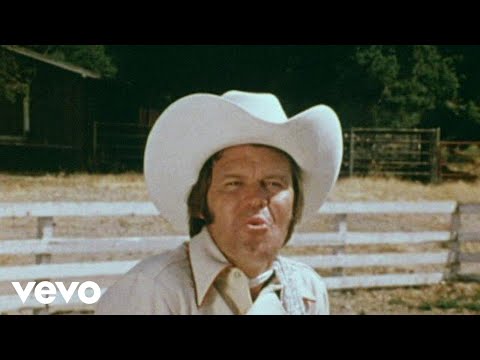
Everyone, seemingly, made a disco record by the end of the 70s, but that wasn’t necessarily a good thing. The best disco songs of the 70s, though? Perfection. The partnership between Donna Summer and Giorgio Moroder delivered some of the finest disco of the decade. And, of course, there’s also the Bee Gees, who made one of the best–selling records of all–time. Dig a little deeper, though, and you’ll soon get to the great non–disco artists making incredible one-offs (ABBA, Diana Ross).
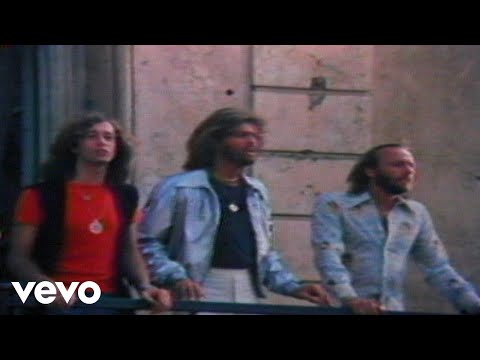
For a long time, they called the best songs to emerge from Germany in the 70s krautrock, but that’s simply because it was impossible to find a word for what was happening. While so many styles of music went big and loud, Neu!, Can, and Kraftwerk locked in on a groove and simply let the thing play out into infinity. In the process, they created an entirely new language that has influenced generations of musicians in Germany and beyond.
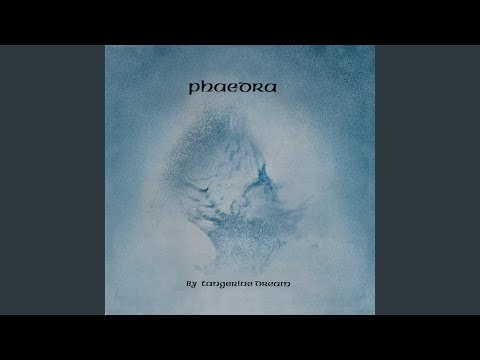
Songs are all about communication. The best singer-songwriters of the 70s, however, had very different concerns. It was simple representation for Helen Reddy. Elton John and Bernie Taupin wanted to capture the feeling of being in a new place, one that you didn’t quite understand. John Lennon, meanwhile, just wanted you to imagine a different world. Whatever the message, the songs below are some of the very finest of the decade.
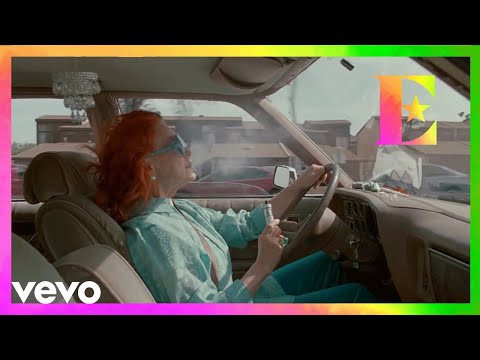
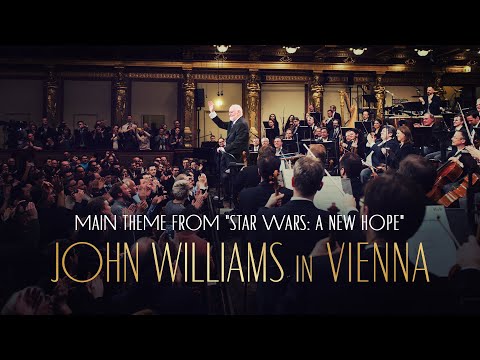
More and more pop music began to be used in films throughout the 70s and, as a result, some of the best songs of the decade have iconic visual memories attached to them. Who can forget Rocky and “Gonna Fly Now”? Or the intro to the Bond classic Diamonds Are Forever? Film composers were also producing some of the most iconic music of the decade as well. Little new can be said about Nino Rota’s Godfather “Love Theme” or John Williams’ world-famous Star Wars theme.
As rock ‘n’ roll entered into its adolescence, many of the artists that picked up guitars were looking for something louder and complicated. Sometimes both. Bands like Black Sabbath and Deep Purple marked the beginnings of metal, while Rush and Genesis created elaborate concepts to undergird their lengthy albums. At its core, though, all of these bands sought to do something more with their music in the 70s, whatever it is, embodying the spirit of rock ‘n’ roll at its best.
Check out our playlist of the best 70s music on Spotify.
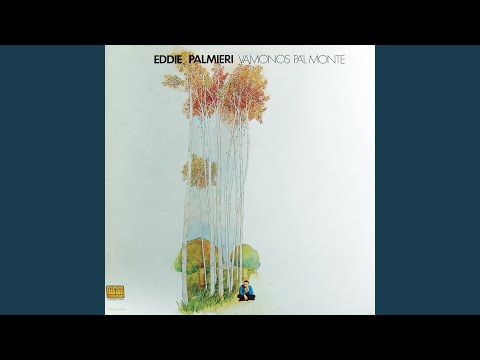
Sound-wise, the decade in Latin music was dominated by salsa, a sound created by Cuban and Puerto Rican musicians in New York City. The life-affirming music had an impact that is impossible to measure. Label–wise, Fania was once again the dominant player, an imprint that perfectly balanced progessive sounds and commercial instincts. Like many English language labels of similar stature, they had artists that were just as socially conscious too: Just listen to Eddie Palmieri’s “Vámonos Pa’l Monte” or Willie Colon and Ruben Blades’ “Pedro Navaja” for proof.
Soul music had basically been perfected throughout the 60s by Motown and others, so the following decade was all about broadening the genre’s borders in different ways. Eddie Kendricks, for instance, helped pioneer disco with “Girl, You Need a Change of Mind,” while Minnie Riperton took things to the stratosphere with her impossible vocal performance on “Lovin’ You.” The explicit way that artists tackled political and social issues, however, was the biggest change from the 60s to the 70s in terms of the best soul songs, with Marvin Gaye’s landmark “What’s Going On” leading the way.
What’s the fun in rock ‘n’ roll if you aren’t dressing up or playing around with the form itself? Glam and art-rockers took this question to the logical conclusion throughout the 70s. The best glam songs rocked as hard as anything else, but did it through a sheen of glitter. (T. Rex’s “Bang a Gong” being a prime example.) Sparks and Frank Zappa, meanwhile, proved that you can have a laugh and create timeless music at the same time.
Shop the best 70s tunes on vinyl and CD now.