

There are calls for a new ‘Music Fan Association’, which will give music lovers more representation in policy and decision making.
The association is being sought-after following a fan-led review of live and electronic music published recently, and would ideally be backed by the government and key figures in the music industry.
Its findings have been put forward after almost a year of engagement across the country with more than 4,000 music fans and stakeholders, and highlight the changes that music fans think could be implemented to improve the UK’s live music sector from grassroots levels and beyond.
The research arose when the Culture, Media and Sport Committee set up the independent review last June, with the aim of improving the sustainability of grassroots music and safeguarding the success of the wider UK music industry.
It called on those interested in supporting the live music scene to commit to a new Fans’ Charter – a document that outlines 50 recommendations under seven key principles for the government, each designed to improve and protect ticketing, safety, accessibility, transport and more.
With the results, the government is asked to take various steps to improve the live music scene, with recommendations including banning the resale of tickets above face value, through to making ear plugs more readily available to concertgoers.
Wider hopes include for the UK government to embed the ‘agent of change’ principle in planning legislation in England – meaning that when new homes are built near music venues, noise is not an issue that leads to the venue being blamed.
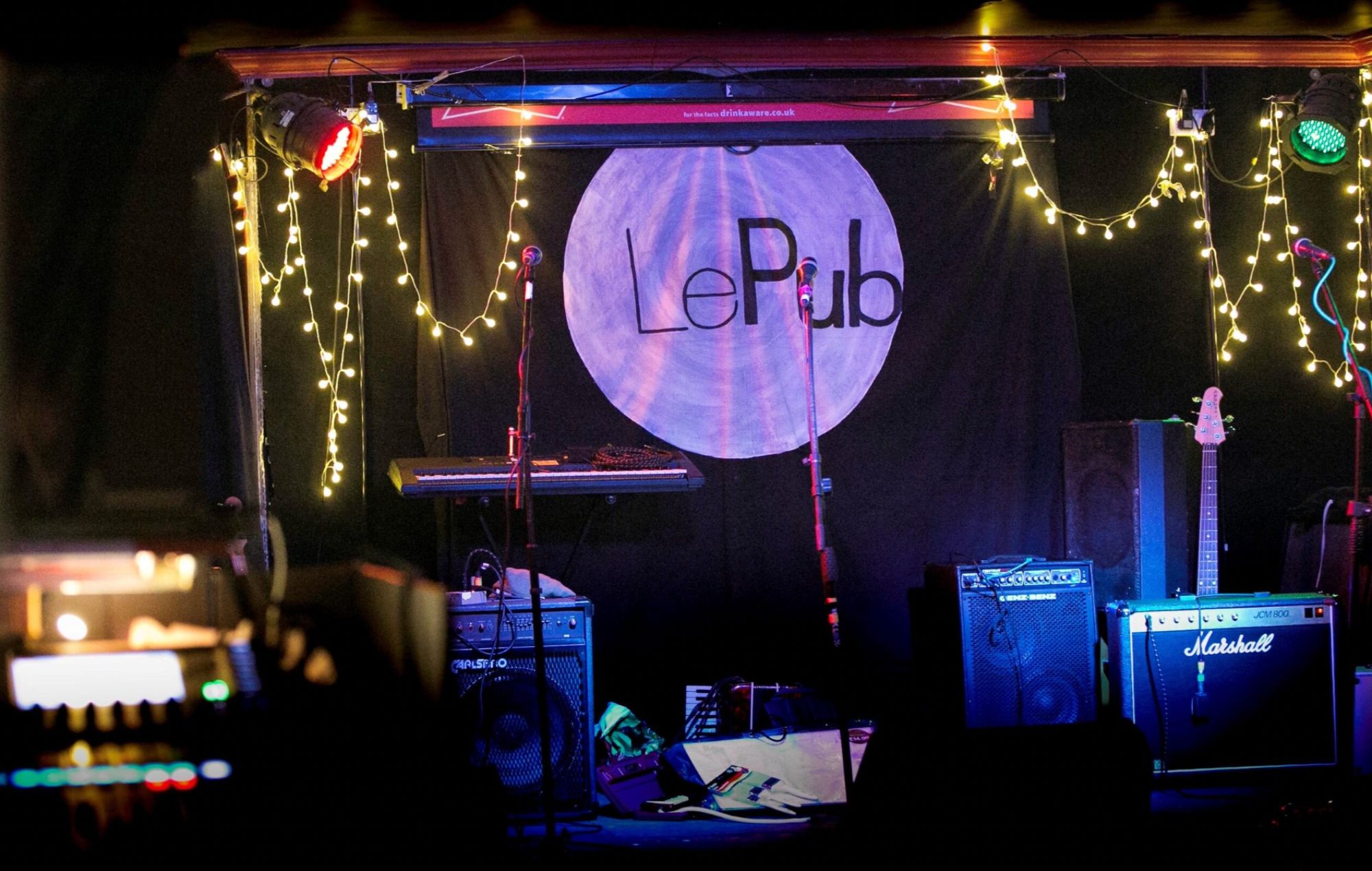
The review was chaired by Lord Brennan of Canton, who discussed the findings and aims while at the Le Pub live music venue in Newport – a space which was saved after the threat of closure.
“Over the last year we’ve given a voice to fans of all different music types and genres from across the country and they’ve told us loud and clear that often they feel neglected and ripped off,” he explained.
“Sharp commercial practices and impersonal service are now all too prevalent in the music world and point to an industry that fails to treat its fans, the lifeblood of the sector, with respect,” he continued, adding that the new Fans’ Charter comes as a “practical and achievable way ahead that everyone, from ticketing platforms to venues, from artists to promoters, from managers to councils, can sign up to, to help secure the long-term future of live music.”
“From establishing a proper representative body to give fans more clout and ending the ticketing rip-off, to improving access for disabled gig goers and venue safety, it’s time for all involved in music to turn the volume dial up to 11 in favour of the fans,” he continued.
The review was initially suggested by the CMS Committee, when they shared a report in May 2024 that revealed the concerns by venue operators, touring artists and independent promoters regarding the grassroots music sector.
Speaking about the latest review, Dame Caroline Dinenage MP, Chair of the CMS Committee, said: “For too long, the views of fans have been treated as background noise, despite those that attend gigs, concerts and festivals having an under-valued importance in the UK music scene and a unique insight, including on how to ensure its successful future.
“Today’s recommendations from the independent fan-led review show the potential of putting the power in the hands of those that truly understand and love live and electronic music. We look forward to all those with an interest in securing a sustainable industry engaging with the findings and taking on board the views of the most important people in music.”
The Committee will be discussing the findings and urging the government to respond with an evidence session planned for later this year.
Backing for the review and push to give fans more authority over the live music sector has been shared by UK Music Chief Executive Tom Kiehl, who said that “Dame Caroline Dinenage and Lord Brennan of Canton are to hugely be congratulated for their initiative with this innovative inquiry which has rightly given music fans a much bigger voice.”
“We hope the Government will listen to the clarion call from this cross-party review and do everything it can to help grow our live and electronic music sector, the millions of music fans who support them and the 220,000 people who earn their living in the UK music industry,” he added.
Andy Burnham, Mayor Of Greater Manchester also said he was “delighted” to help put fans “firmly at the heart of the conversation and helping to shape the future of live and electronic music”, while LIVE Trust’s Kirsty McShannon said that the fan-led review “highlights the strength of support from fans for grassroots funding initiatives like the LIVE Trust”.
Find the full report here.

The efforts from the review to help protect the live music scene come after Music Venue Trust launched a new campaign against PRS For Music earlier this week, calling for fairer and more transparent fees as artists and venue owners complained of “crippling bills” and huge “black holes” of unclaimed money.
Since then, the Council Of Music Makers has joined the push to get the company to make more “improvements”, and MVT have dismissed claims that they are trying to “reduce songwriter royalties”.
The UK’s live music sector has been under continuous strain in recent years, and recent reports found that 30 grassroots venues were lost forever between July 2024 and July 2025, and that the last decade has seen the UK suffer from the “complete collapse of touring“, with 175 towns and cities declared “gig deserts”, and 35million people without live music in their area or community.
There has been pressure starting to mount on larger companies and Live Nation to adopt a ticket levy on all gigs at arena level and above to help support grassroots venues and artists. If this is not done voluntarily by the end of June, the government will step in to make it mandatory.
The post Calls for new ‘Music Fan Association’ to give you more say in decisions, as charter sets out recommendations for government appeared first on NME.